Hemp materials · 16 September 2026 · 6 min read
Hemp: from fibre to fabric
Hemp is known as a strong fibre plant, yet in a finished textile its character can be much more: airy, structured, richly textured or softer with every wash. The result is shaped by a sequence of considered steps.
01
A long fibre within the stalk
Textile hemp is a bast fibre: the useful fibre sits in the outer layers of the plant’s stalk. After harvesting, the stalks are processed so that bundles of fibre can be separated from the woody core. The method and precision of this work affect how clean and long the fibre remains for the stages that follow.
The natural variation of hemp fibre is not a defect. It gives yarn and cloth a subtle, recognisable surface. At HAMPusta, this trace of the material is part of the design — not something to disguise, but something to use with restraint.
02
Spinning defines the yarn
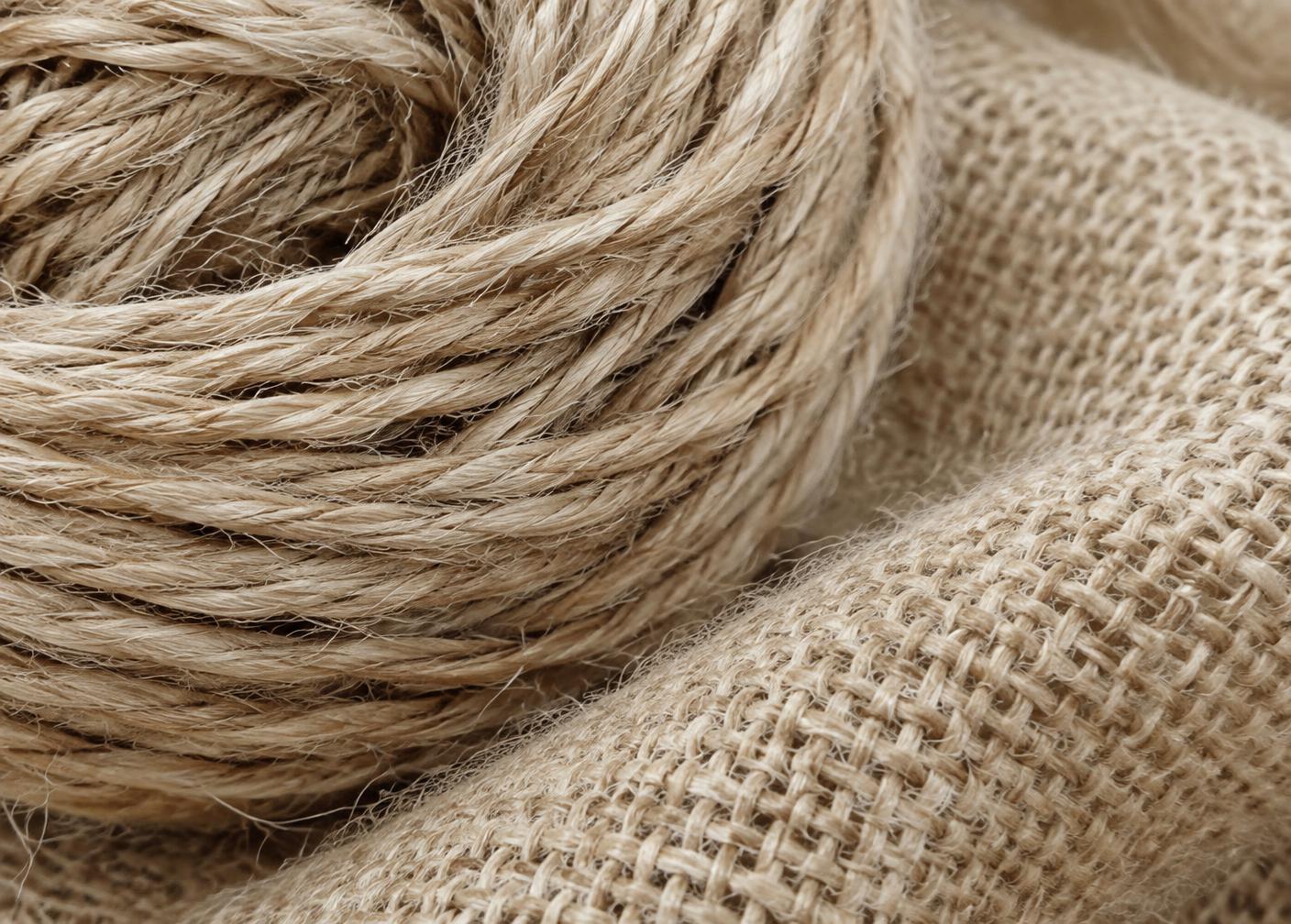
Separated fibres are opened, cleaned and aligned before spinning. Fibre length, twist and yarn weight determine whether the yarn feels fine or more tactile, fluid or firm. Hemp can be spun on its own or blended with fibres such as linen or wool when a product calls for a particular hand and performance.
03
Weaving gives the material its purpose
In weaving, warp and weft establish surface, density and durability. A light garment cloth needs a different structure from a bag or a home textile. This is why we do not treat hemp as a single material, but as a complete toolkit: the same fibre can take on very different expressions through weave, weight and finishing.
Washing and mechanical finishing can open the structure of the cloth and soften its hand. A hemp textile often continues to evolve in use: the surface settles, folds become natural and the material adapts to everyday life.
04
A material to understand
A good hemp product is not created by fibre choice alone. Intended use, yarn structure, weave, pattern and care all need to support one another. We therefore consider the material from the perspective of the finished object: how it feels, how it functions and how it ages in real use.