Product development · 2 September 2026 · 6 min read
From material to finished product
Product development is a sequence of decisions. Each stage clarifies the purpose of the product: who it is for, what it must withstand and how it should feel in use. The process is not linear; we return to the material and prototype as many times as needed.
01
A need sets the direction
A new product often begins with an everyday observation. What kind of bag carries enough without feeling heavy? How can a table textile drape well and withstand repeated washing? We define the use before designing the form, so the result does not remain merely an image.
02
Material trial before pattern
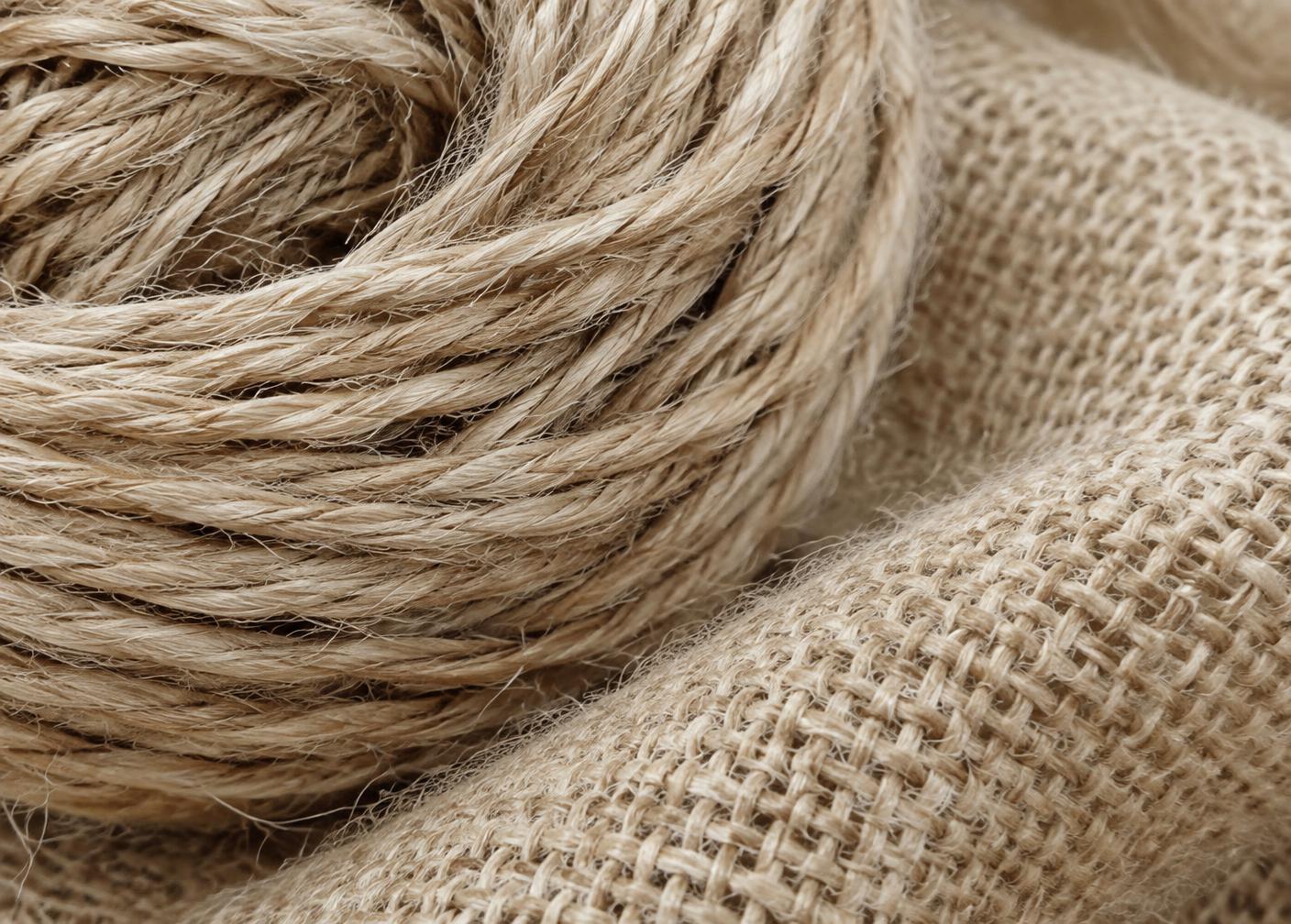
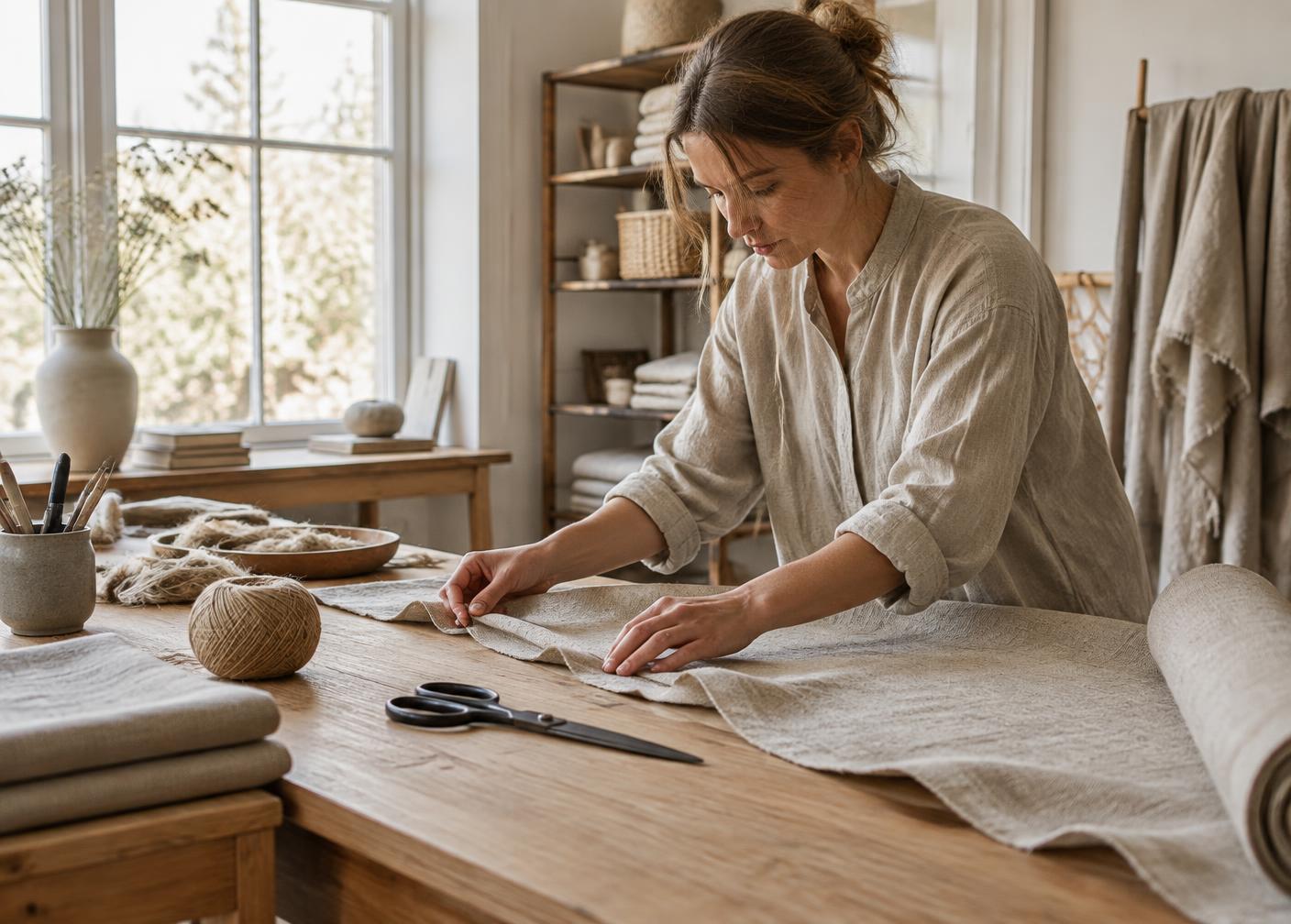
We examine fabric weight, density, drape and surface. The same form behaves differently in light hemp–linen and dense hemp canvas. A material trial tells us whether the construction should be lightened, reinforced or reconsidered entirely.
Colour is also assessed in the actual material and in changing natural light. Fibre, weave and finishing affect whether a tone appears warm, cool, deep or light.
03
A prototype makes the idea real
The first prototype is a question, not a finished answer. We review proportions, seams, points of strain, opening and closing, and how the product sits in the hand, on the body or in a space. Use trials often reveal what a drawing cannot.
Changes can be small — a few millimetres in a seam or a different support weight — yet their effect is felt throughout the product. We repeat the process until construction and material speak the same language.
04
Finished only when it works
Before a product joins the collection, we assess it as a whole: is it necessary, does it feel like HAMPusta, and does the material serve its purpose? The final stage also begins the next cycle of learning. Use, care and the way a material ages show what can be improved in the next product.